
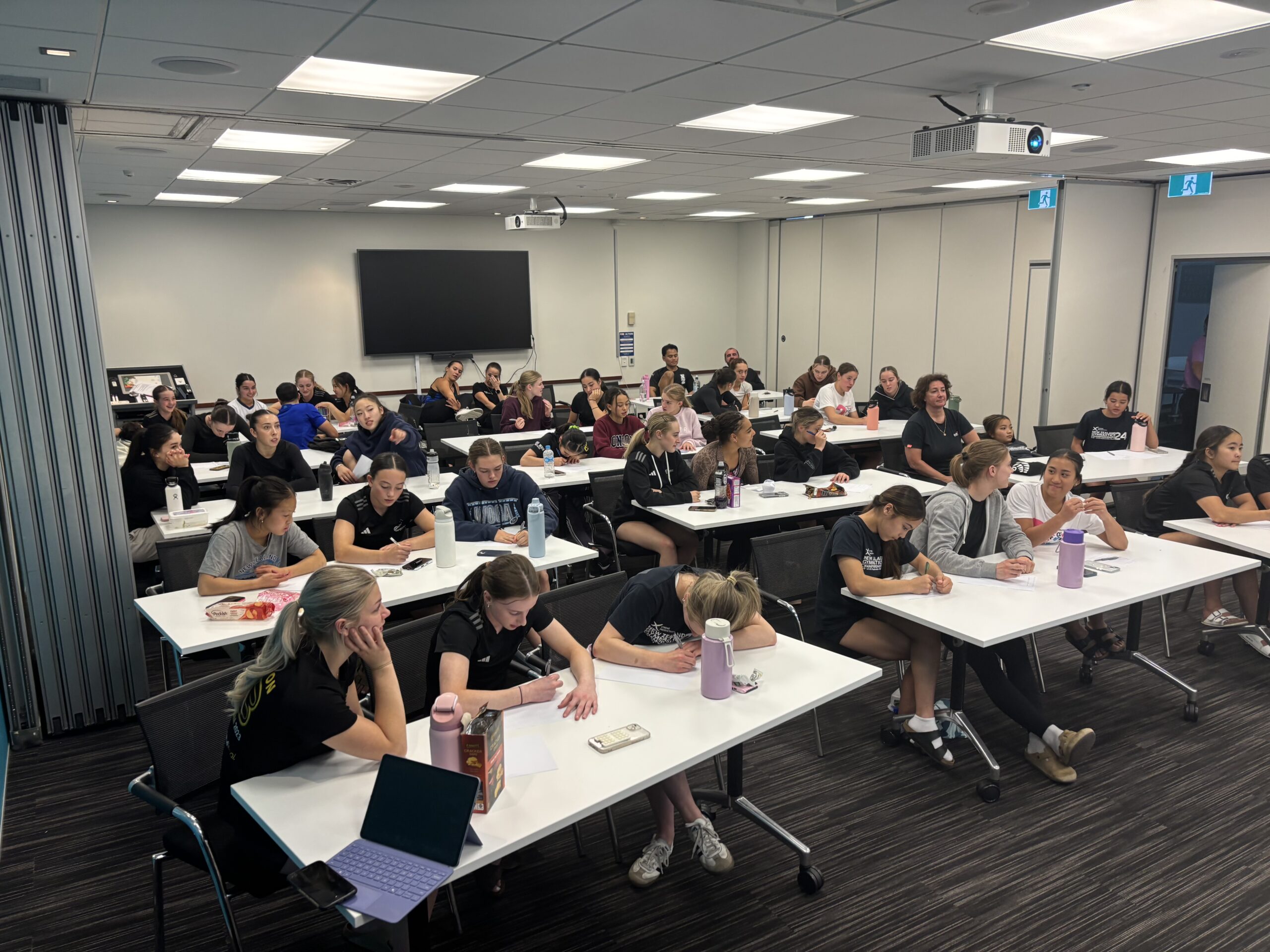
Our national artistic squads came together from 16–19 April for their second camps of 2026, with athletes and coaches gathering to learn, test progress, and prepare for upcoming international opportunities.
These camps are an important part of the performance pathway, creating opportunities for athletes and coaches to connect, share knowledge, and be challenged in a performance environment.
Women’s Artistic Gymnastics (WAG)
The WAG camp, led by Performance Advisor Michelle Woolf, was hosted by Hutt Valley Gymnastics in Wellington.
A key focus of the camp was competition simulation, helping athletes prepare for upcoming tours to the Australian State Championships and Oceania Championships. Alongside technical preparation, there was a continued emphasis on artistry and performance quality across all apparatus.
The group also took part in a culture workshop facilitated by Head of Gymnastics David Phillips, building on work started earlier in the year. This session moved the squad closer to establishing a shared team agreement, helping define how athletes and coaches work together across camps, clinics, and tours.
Athletes also gained valuable insight from a debrief on recent world cup events, hearing first-hand about the challenges and excitement of competing internationally.
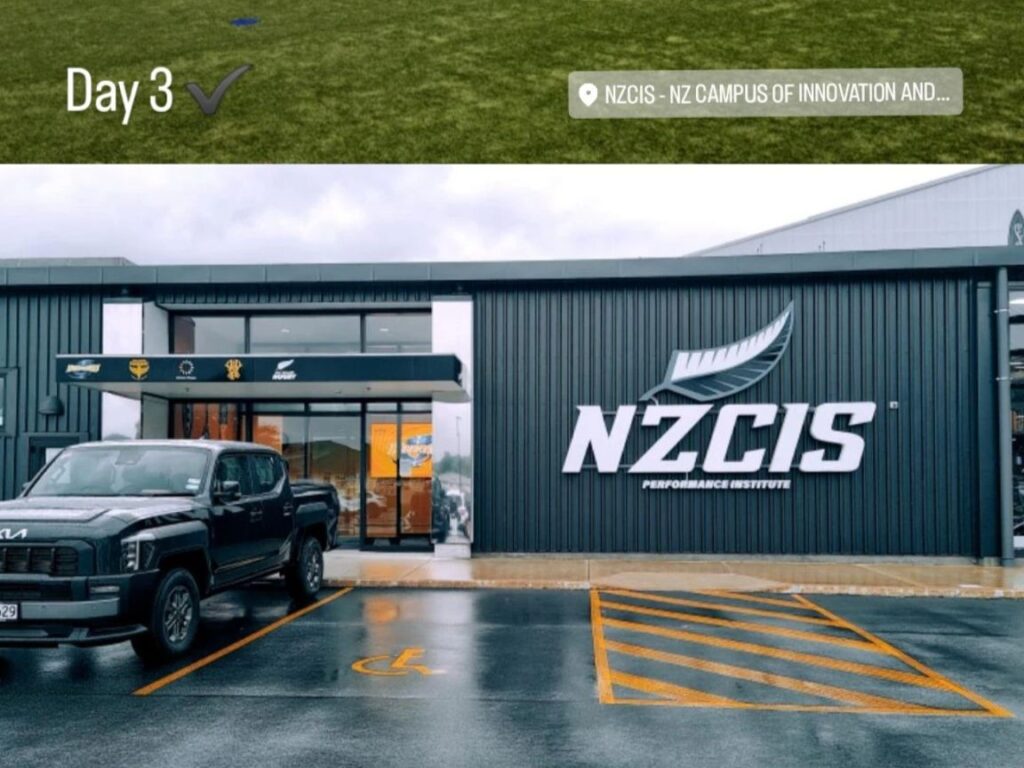
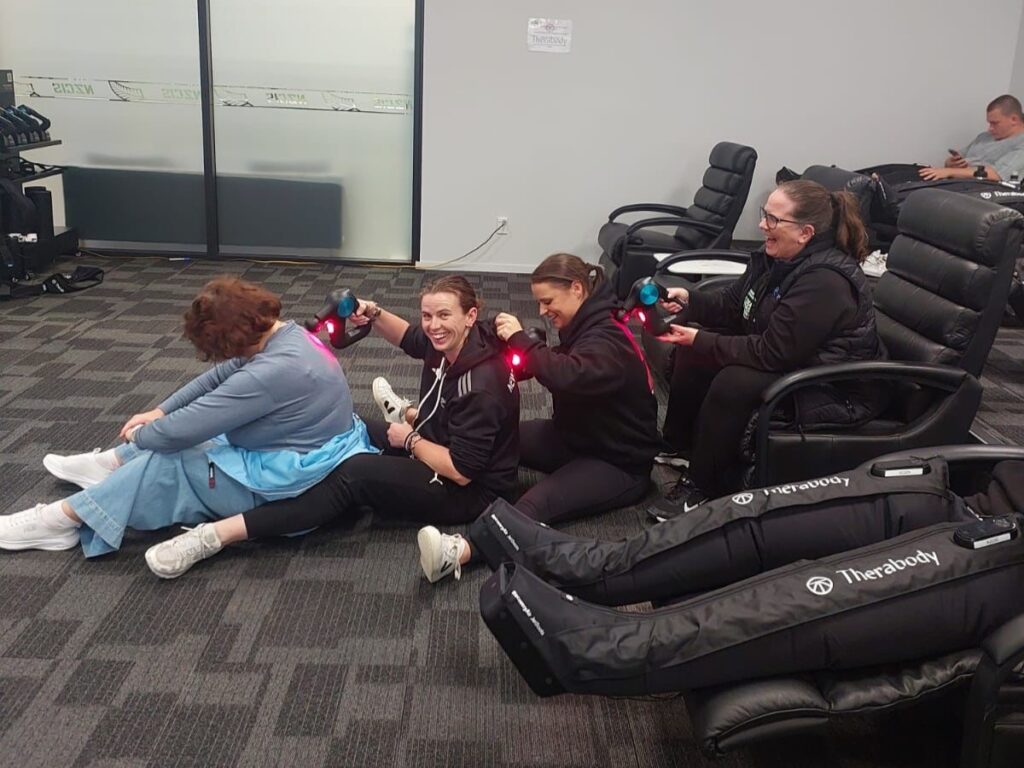
To round out the camp, the squad visited the New Zealand Campus of Innovation and Sport, including a recovery session at the high-performance facility.
Men’s Artistic Gymnastics (MAG)
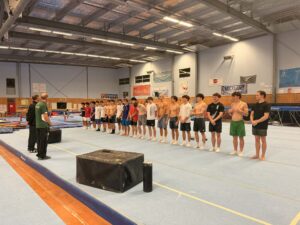
The MAG camp was co-led by Mike Plourde and Paul Fischetti, with a strong focus on future skill development.
One of the key priorities for the performance pathway is helping athletes strategically build start values by developing higher-value skills throughout the training year. At this camp, athletes tested their progress against skill targets set for 2027.
The squad also focused on improving quality and consistency in performance. Mike Plourde delivered a judging workshop to help athletes better understand smart skill selection and common deductions across apparatus.
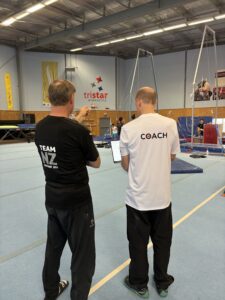
This was supported by a workshop on skill readiness, led by David Phillips, which explored the steps required to progress a skill from initial learning through to competition readiness.
As with WAG, athletes also benefited from hearing recent international tour reflections from team members who shared their experiences openly.
A team meal helped round out four productive and energising days.
We would like to thank Michelle Woolf, Mike Plourde, and Paul Fischetti for leading the camps, Hutt Valley Gymnastics and Tri Star Gymnastics for hosting, and all clubs, coaches, and athletes for investing valuable time and effort into these opportunities.
Leave A Comment
You must be logged in to post a comment.